
Our Impact
Fiscal Year July 2025-June 2026
View the 2025 Impact report here

Fiscal Year 2025/26 Impact at a Glance
4,086
residents engaged through AMPED
223
clean energy and efficiency installations
50
CYCG actions completed or underway
872
volunteer advocacy hours
55
climate policy comments and letters
221
active CYCG members
221
Climate Solutions Summit attendees
500+
students engaged around clean energy careers
Collective Impact
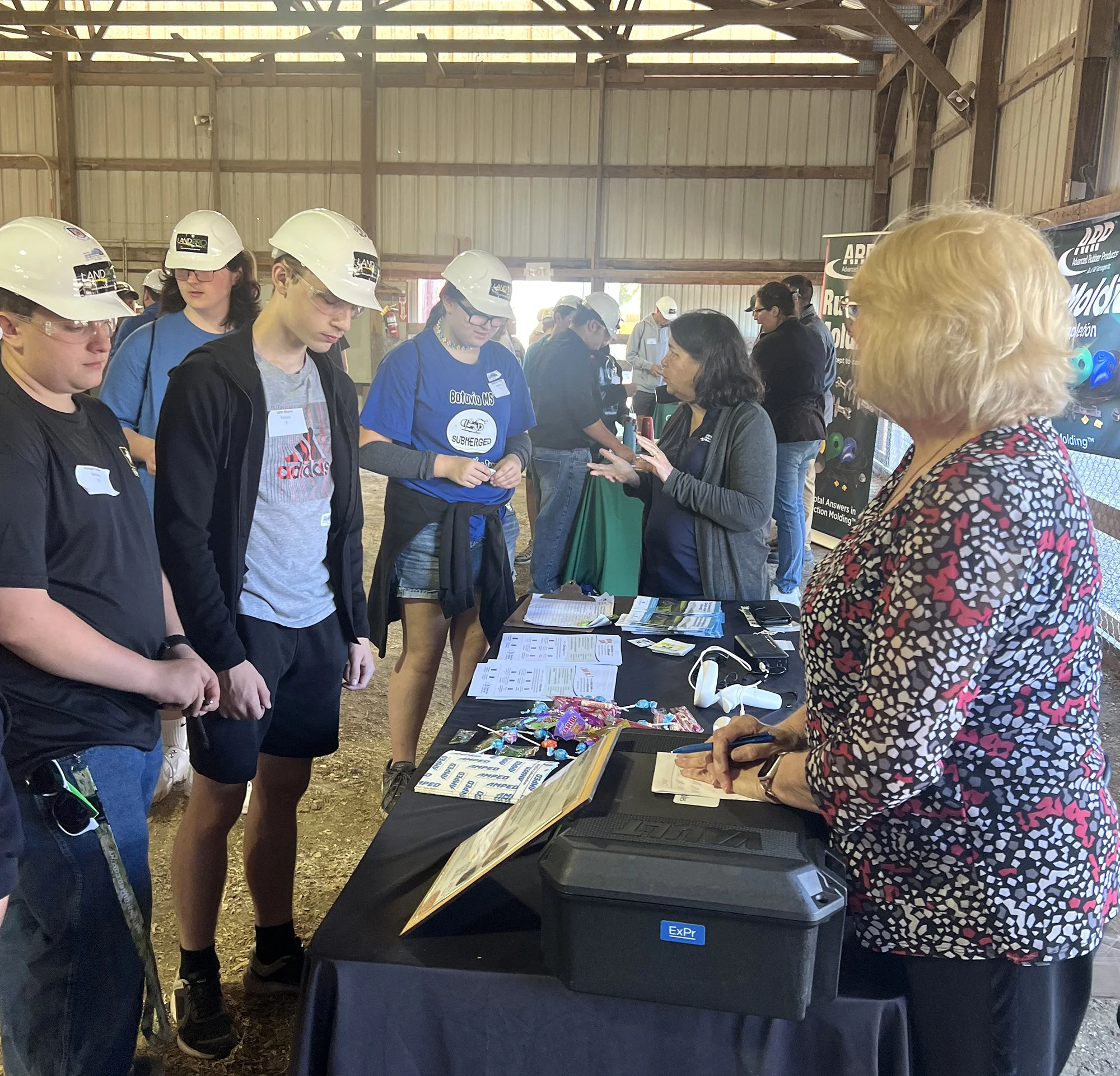
GLOW With Your Hands event reaches students interested in clean energy jobs
500+ students engaged around clean energy careers
The Renewable Energy Working Group expanded its clean energy workforce outreach in partnership with NextCorps’ Clean Jobs Collaborative. Through presentations and regional career and trade fairs, more than 500 students were connected with information and resources about careers in clean energy.
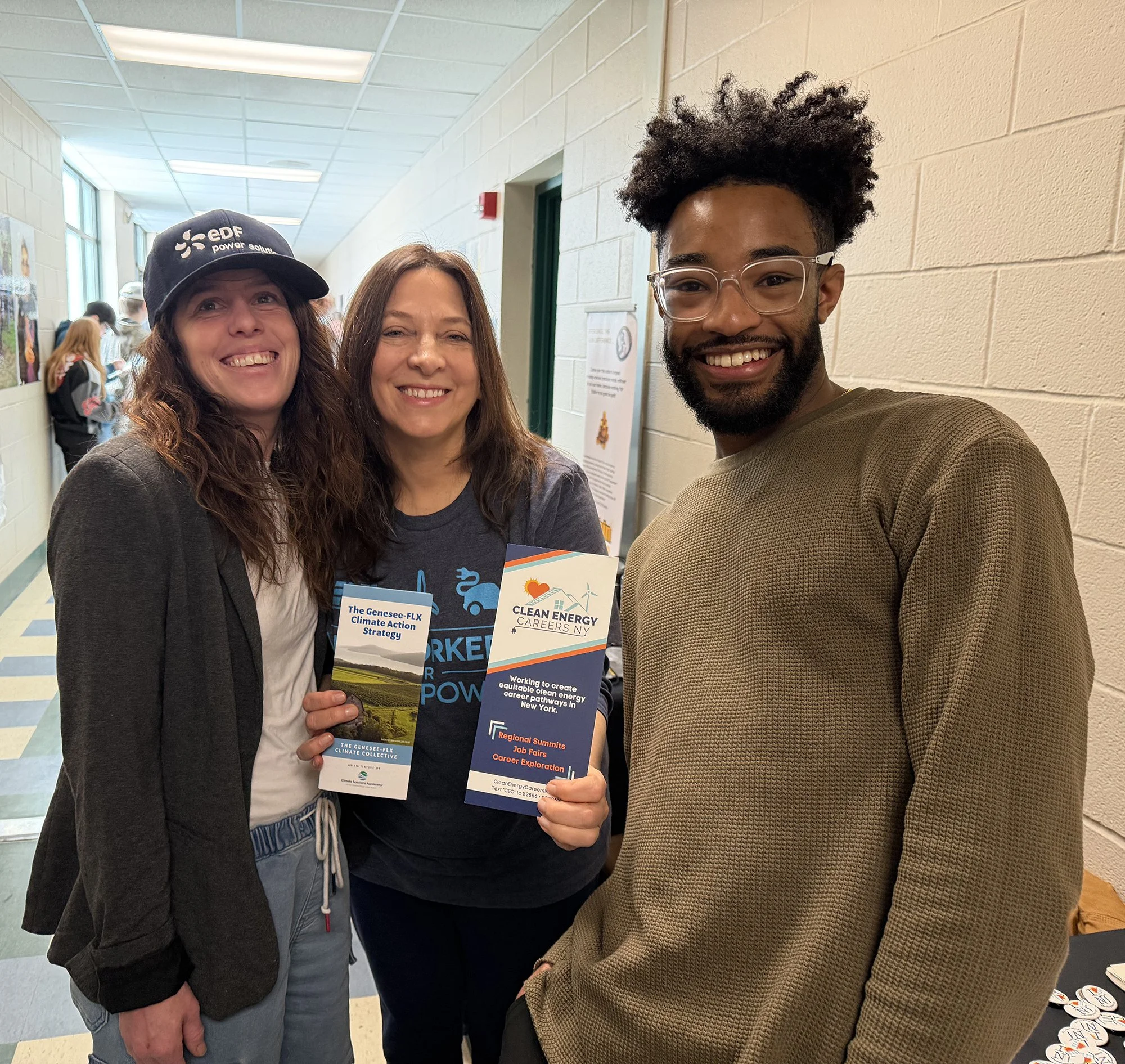
Haylee Ferrington, Len LukaGenesee, and Michael Henry at Valley BOCES Career Fair
35 participants engaged through rental housing decarbonization events
Eleven people participated in a data interactive exploring findings from the Accelerator’s split-incentive study with the Urban Institute.
24 participated in a stakeholder meeting. These conversations brought together local organizations and agencies to explore energy-efficiency opportunities for renters and provide local context to the study.
The Highlights
The Accelerator’s efforts to welcome community members into conversations about creating a regenerative future through the Regenerative Futures Lab concluded in June. Participants provided valuable feedback that will help inform how the Accelerator educates the public about mental models that are holding climate change and related issues in place and how the region can move toward a more regenerative future.
The Renewable Energy Working Group continued operating and developed a strong partnership with NextCorps’ Clean Jobs Collaborative to build the local clean energy workforce. The group also gave its first presentation on clean energy jobs to the Monroe County Youth Environmental Management Council in conjunction with the Clean Jobs Collaborative.
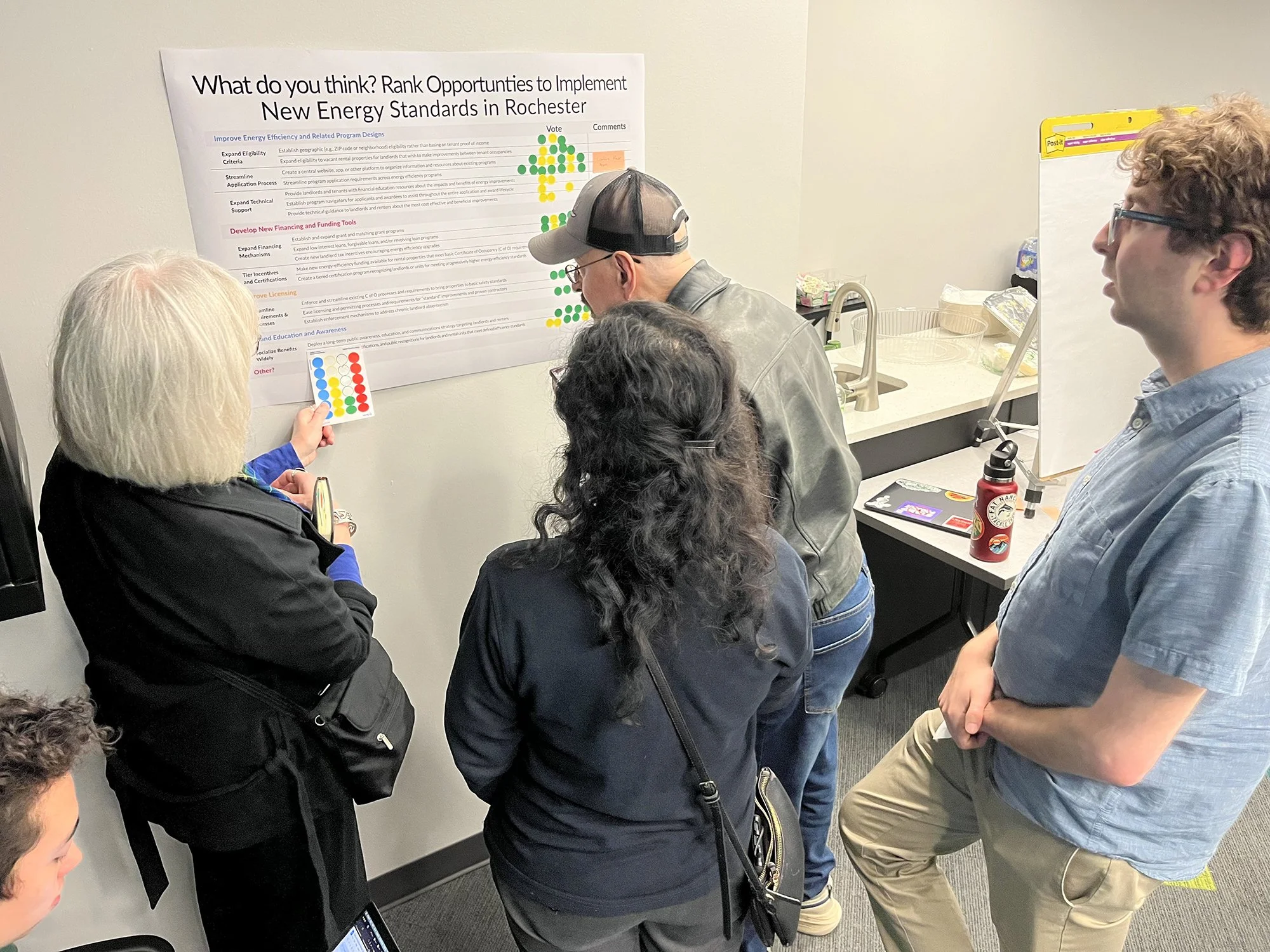
Workshop participants vote on ideas to implement new energy standards in Rochester
The Accelerator partnered with the Urban Institute, a nationally recognized research organization, to study the split-incentive problem and identify opportunities to improve energy efficiency and decarbonize rental housing in Rochester. The research combined a review of programs in other cities with interviews that included renters, landlords, housing advocates, contractors, affordable housing providers, and other stakeholders. The study was completed and published in June 2026.
LOOKING AHEAD
The Accelerator plans to launch a Buildings Working Group to create a system in the City of Rochester for assessing housing quality, better addressing housing upgrade needs, and establishing a minimum required energy-efficiency standard.
The Renewable Energy Working Group will continue its efforts to build the local clean energy workforce and collaborate with Color Your Community Green groups to support advocacy for renewable energy in their communities.
Following feedback from the strategic planning process, Collective Impact is also moving toward a more flexible model focused on short-term campaigns and emergent strategies to build the movement for a regenerative region, and advance the Genesee-FLX Climate Action Strategy.
ADDITIONAL IMPACT
Renewable Energy Working Group
A NYSERDA Clean Energy Jobs presentation brought together 12 attendees representing 8 organizations: YAMTEP, RTMA, NextCorps, Sierra Club, New Yorkers for Clean Power (NYCP), NYSDOL, EDF Power Solutions, and MCC.
The Monroe County Youth Environmental Council Clean Energy Jobs presentation brought together 12 attendees and was the group’s first presentation.
The GV BOCES College & Career Fair engaged 155 people.
GLOW With Your Hands in September 2025 engaged 238 people.
ROC With Your Hands in October 2025 engaged 190 people.
Buildings Workgroup
The Data Interactive brought together 11 attendees representing 6 organizations:
Hart Homes, City of Rochester, Connected Communities, Monroe County, Causewave Community Partners, Sustain With Age
The Split Incentive Study Stakeholders Meeting brought together 24 attendees representing 10 organizations.
City of Rochester, CYCG, Connected Communities, RENEW, GFLRPC, Causewave Community Partners, Sustain With Age, Monroe County, SWBR, ABC
Color Your Community Green
& Color Your School Green
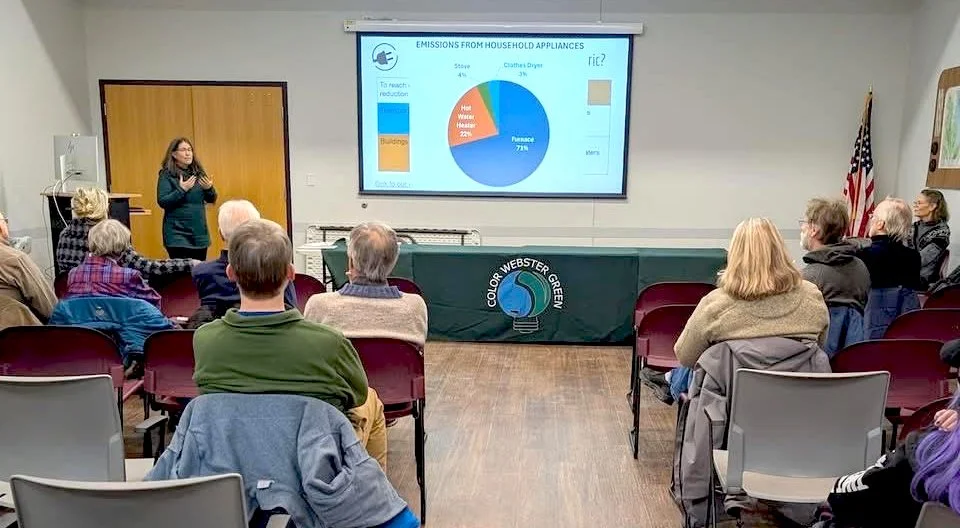
Color Webster Green team member Becky Collins co-teaching a class as part of a CYCG grant project
50 community climate actions completed or underway
CYCG teams completed or advanced 50 actions aligned with the Genesee-FLX Climate Action Strategy—16% more than the annual goal. Actions included climate education, community outreach and advocacy for Climate Smart Communities, local Climate Action Plans, advocating for New York’s Climate Leadership and Community Protection Act (CLCPA), and other climate policies.
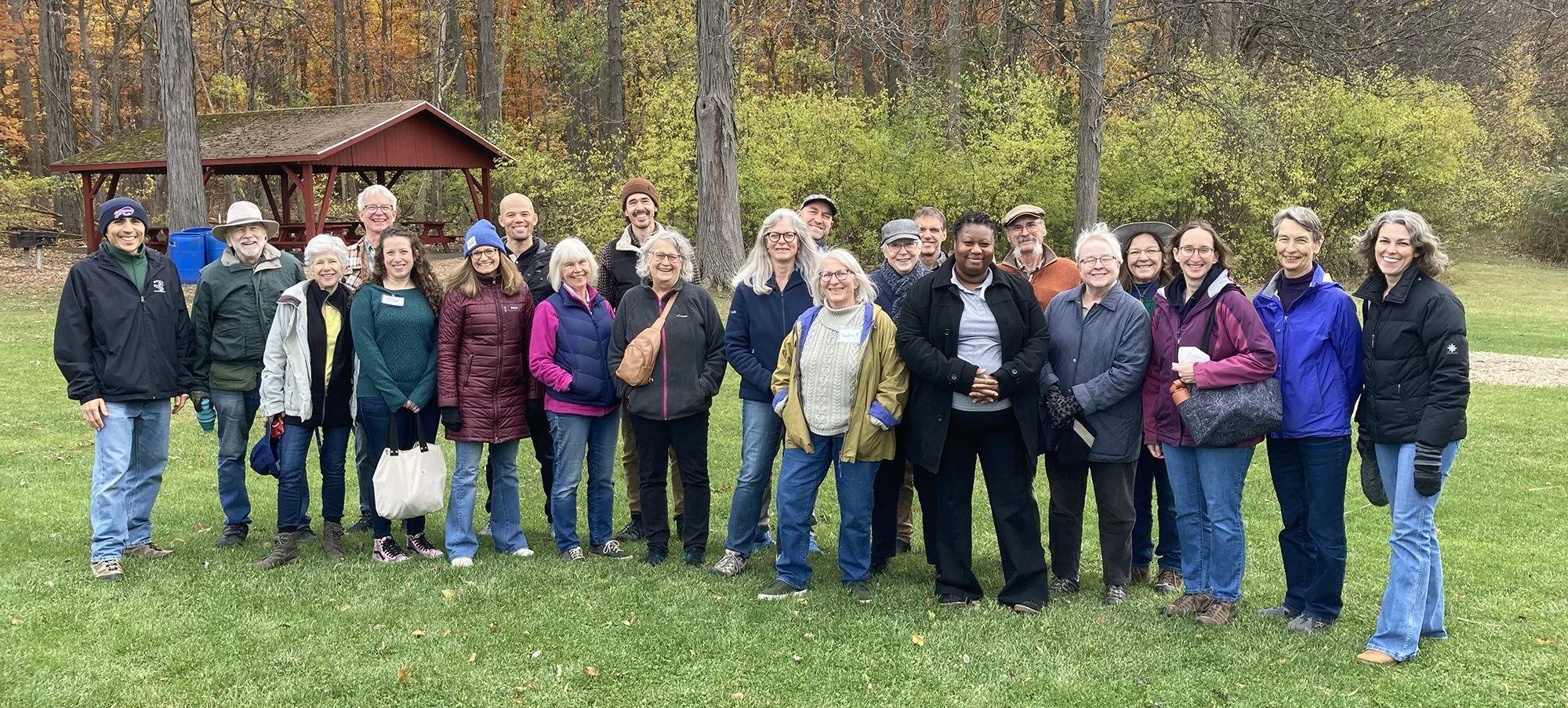
CYCG team members coming together for fall retreat, co-hosted by Color Brighton Green
221 active Color Your Community Green members
As of June 2026, 221 active members regularly participated in 13 Color Your Community Green teams across five counties. Seven teams included state-designated Disadvantaged Communities, helping expand opportunities for community-led climate action across the region.
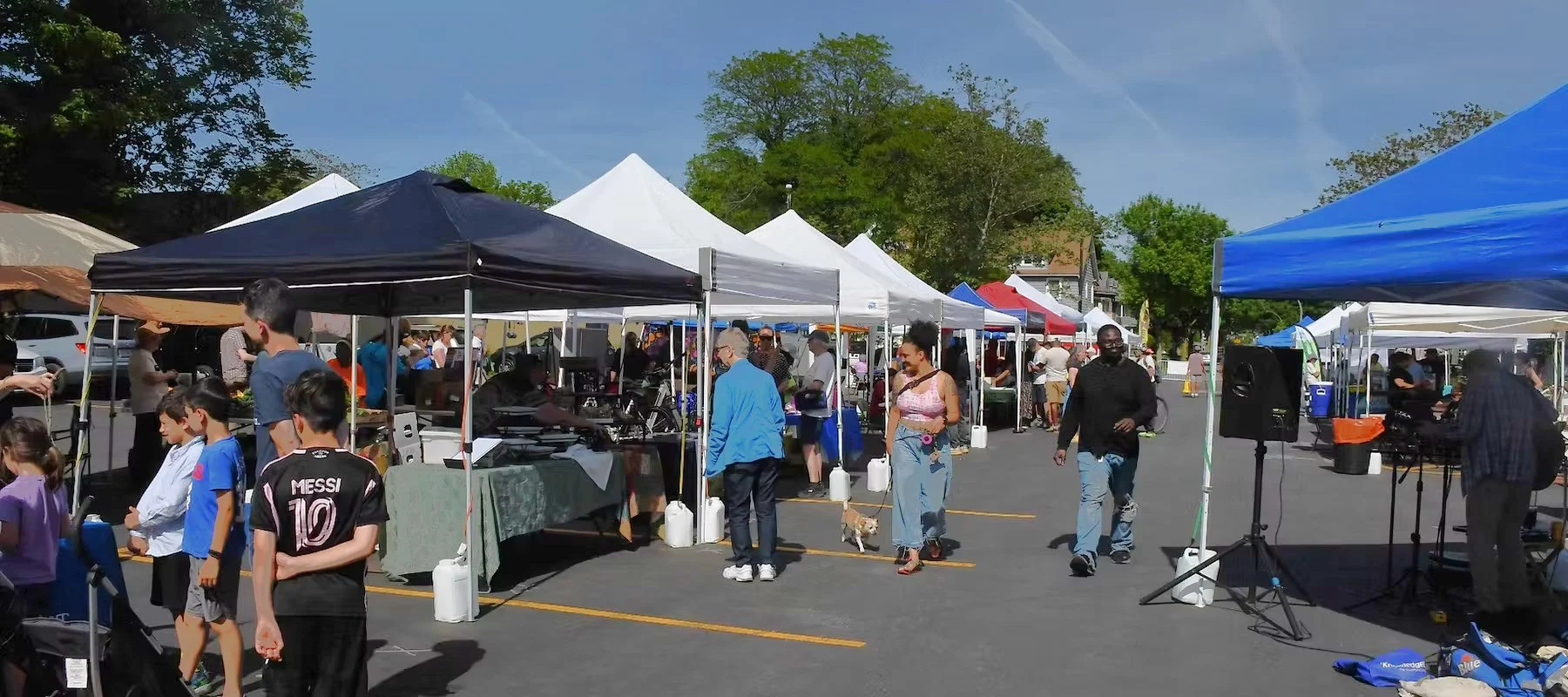
The Rochester EcoFair at the Westside Farmers’ Market, which was funded by a CYCG grant
$6,741.05 invested in community-led projects
Eight CYCG projects received $6,741.05 in grants to strengthen local teams and support progress toward greenhouse gas reduction goals. Projects included an EcoFair, hybrid meeting technology, community engagement, website improvements and a countywide advocacy campaign.
The Highlights
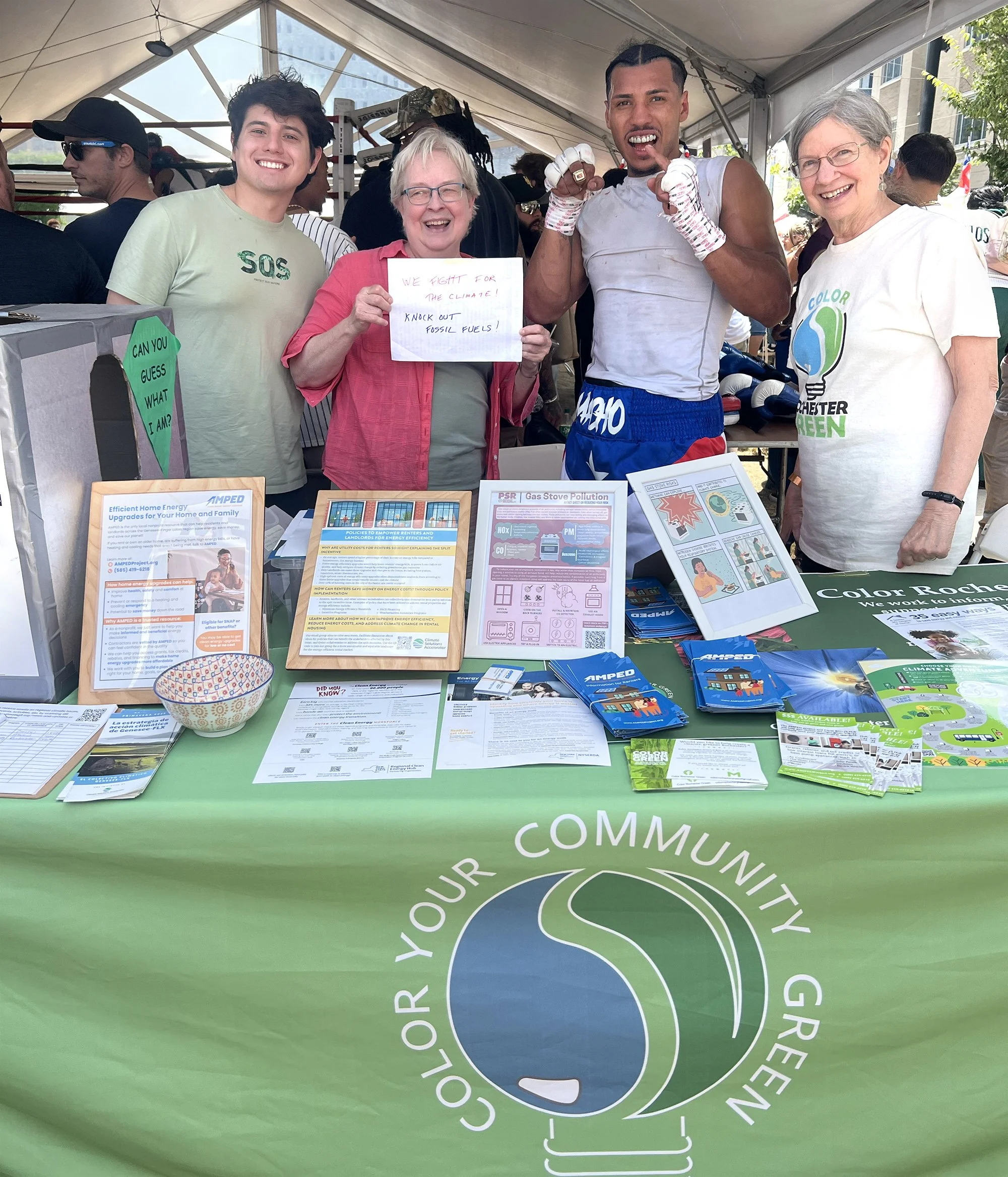
Color Rochester Green team members doing outreach at the Puerto Rican Festival
Color Your Community Green continued its work to create and train a network of residents at the municipal and neighborhood level who are empowered to connect individual efforts with systems-level environmental solutions.
Teams also continued learning from one another, with ideas such as EcoFairs, repair cafés, native plant promotion, and projects connected to the 40x30 initiative spreading across the network.
In March, CYCG teams mobilized in support of the CLCPA. Bill Maier of Color Fairport Green wrote an op-ed in the Rochester Beacon while Chris Steerman of Keep Lima Green, Allen Blair of Color Rochester Green, and Ginny Maier of the CYCG 40x30 Committee spoke at the Accelerator’s press conference. Eleven CYCG teams signed a letter supporting the law, and Color Rochester Green worked with Rochester City Councilmembers to unanimously pass a memorializing resolution. Members also made calls, circulated petitions, shared information in their communities, and traveled to rallies in Albany.
In March 2026, the Accelerator awarded $6,741.05 to eight CYCG projects to build team capacity and support progress toward reducing greenhouse gas emissions 40% by 2030. Projects included an EcoFair, hybrid meeting technology, positive community engagement, website upgrades, and a countywide advocacy campaign.

Color Rochester Green team members doing outreach at the Seneca Park Zoo
Color Your School Green continued engaging students, families, teachers, staff, and administrators in climate action. Stakeholders representing 11 school districts across four counties participated in events featuring expert speakers on clean heating and cooling for schools and understanding climate emotions in students.
Looking ahead, the Accelerator plans to engage new communities through facilitated conversations about climate solutions and identify people interested in becoming involved with CYCG. The Accelerator also plans to strengthen collaboration between CYCG and Policy & Advocacy to engage more residents in advocating for equitable and just climate policy and build the power of the local climate movement.
ADDITIONAL IMPACT
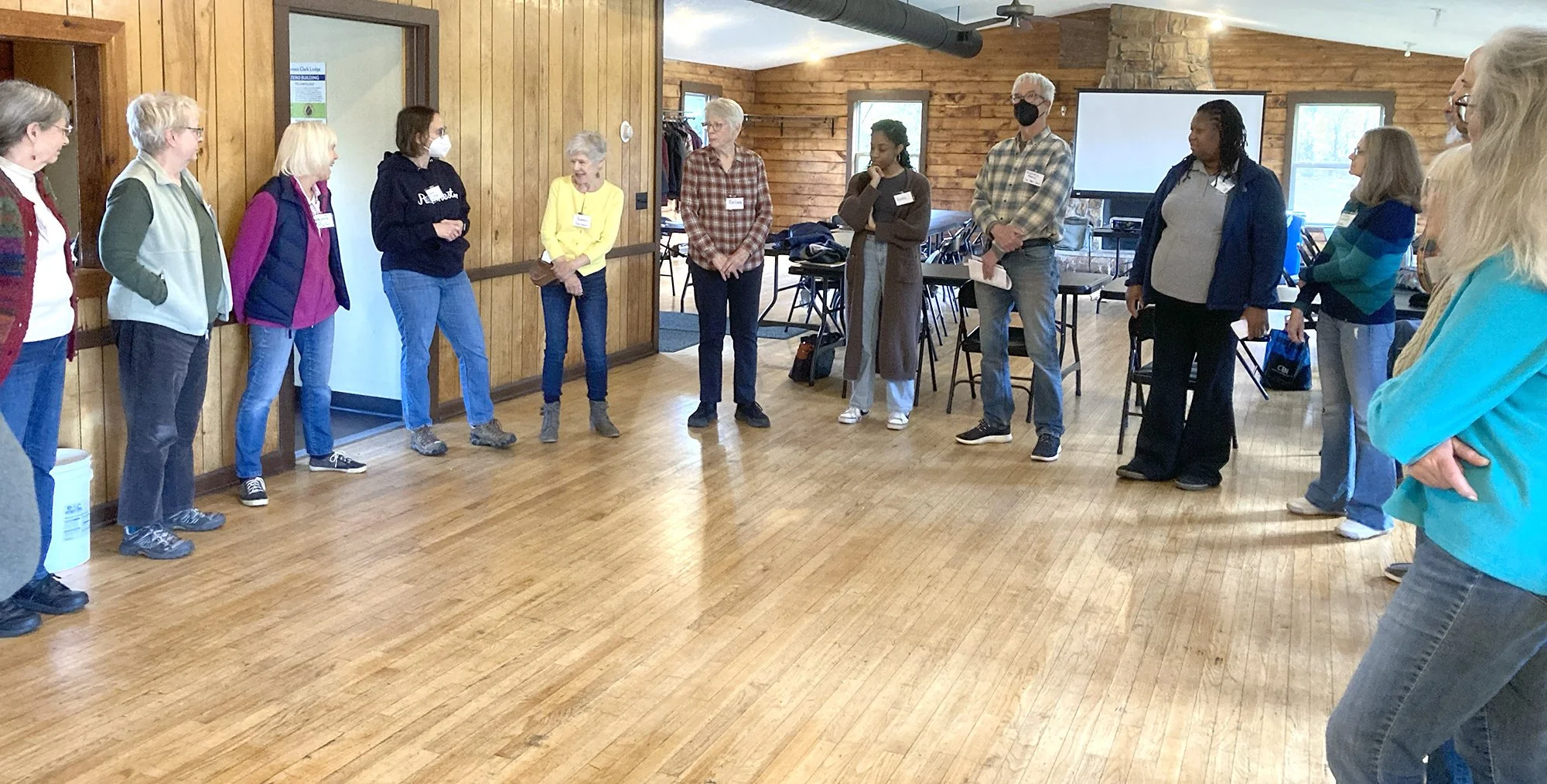
Team building at CYCG fall retreat, co-hosted by Color Brighton Green
Team Capacity + Collaboration
CYCG teams received support through workshops, field trips, and resources focused on storytelling, welcoming new members, community outreach, leadership, and even a trip to the Orangeville Battery Energy Storage Systems.
Teams also provided input on the Accelerator’s Community Progress Monitor and new strategic plan.
CYSG Reach
Stakeholders from 11 school districts across four counties participated in CYSG meetings and events.
CYSG programming included webinars on clean heating and cooling for schools and understanding climate emotions in students.
Public Engagement
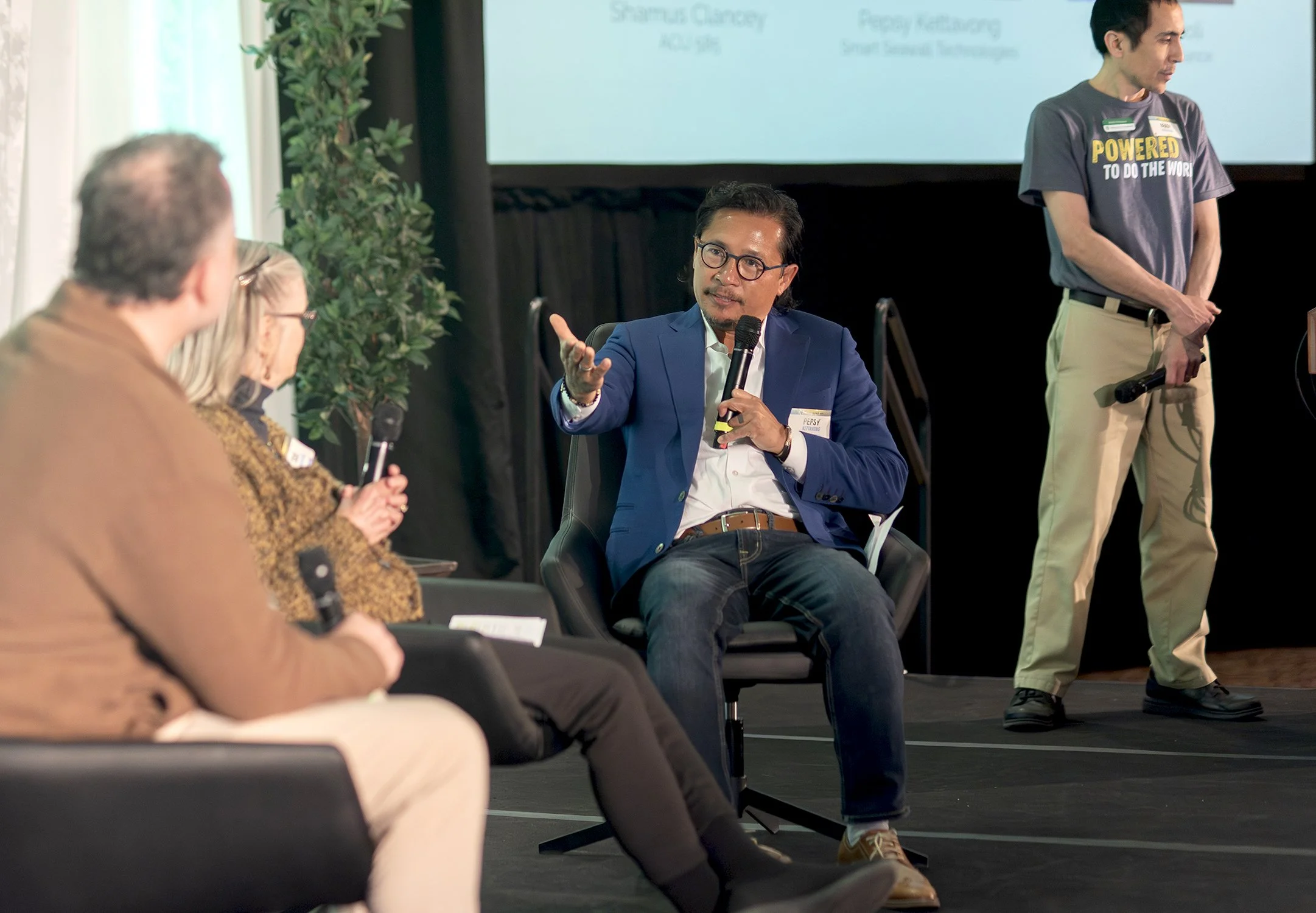
Answering “Big Questions” at the Climate Solutions Summit, with Pepsy Kettavong speaking
221 community members attended the 2026 Climate Solutions Summit
The 2026 Climate Solutions Summit brought together 221 community members from across the Genesee-Finger Lakes Region for two days of learning and collaboration. Fifty sponsors supported the event, more than 20 vendors participated in the Power Up Fair, and 20 scholarship tickets helped make participation more accessible.
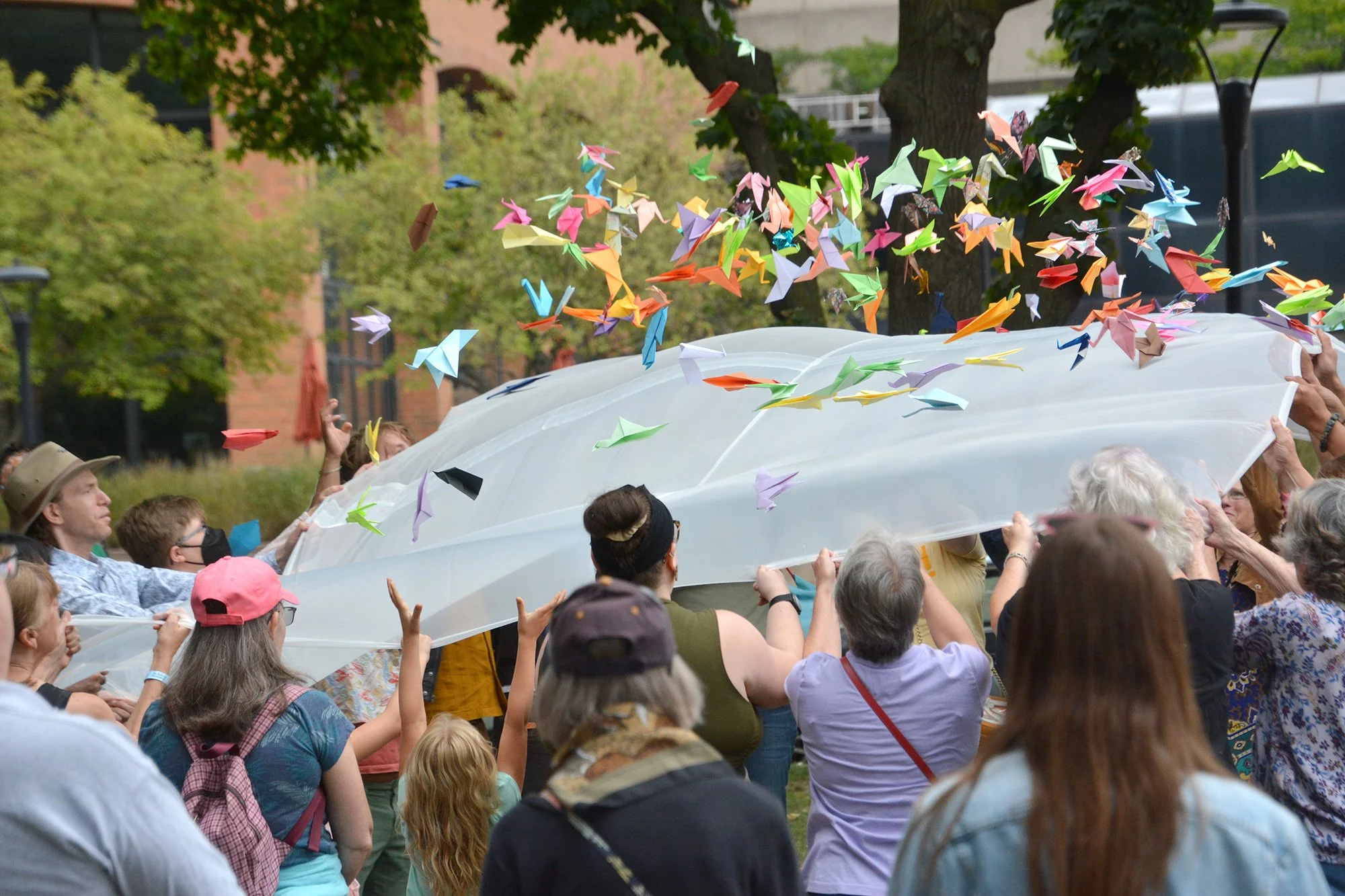
Audience participating in bird blanket toss during EcoVibes
150 people attended EcoVibes
EcoVibes: Unfolding Our Future brought climate storytelling to the Rochester Fringe Festival through two performances at Washington Square Park. The performances combined music, dance, spoken word, visual art, immersive audio and audience participation, while an organizational fair connected attendees with 16 local groups.
3+ volunteer hours per person each month
Beyond volunteers participating in Color Your Community Green and Policy & Advocacy, community members supported the Accelerator through tabling, door-to-door canvassing, climate-related research, graphic design and other projects. Participating volunteers averaged more than three hours of work per person each month throughout the year.
The Highlights
The Accelerator continued its flagship public engagement efforts while experimenting with new ways to connect people with climate change and climate solutions.
The 2026 Climate Solutions Summit brought 221 people from across the Genesee-Finger Lakes Region together at the Rochester Riverside Convention Center for two days of learning and collaboration. Fifty sponsors supported the Summit, more than 20 vendors participated in the Power Up Fair and 20 scholarship tickets helped increase accessibility.
Under the theme Energy = The Ability To Do Work, the Summit explored what it means to use energy wisely—personally, collectively and regionally. Keynote speakers Dr. Nate Hagens of The Great Simplification and Kristy Drutman of Brown Girl Green joined conversations spanning energy blindness, fossil fuels, AI, nervous system regulation, collective power and regeneration.
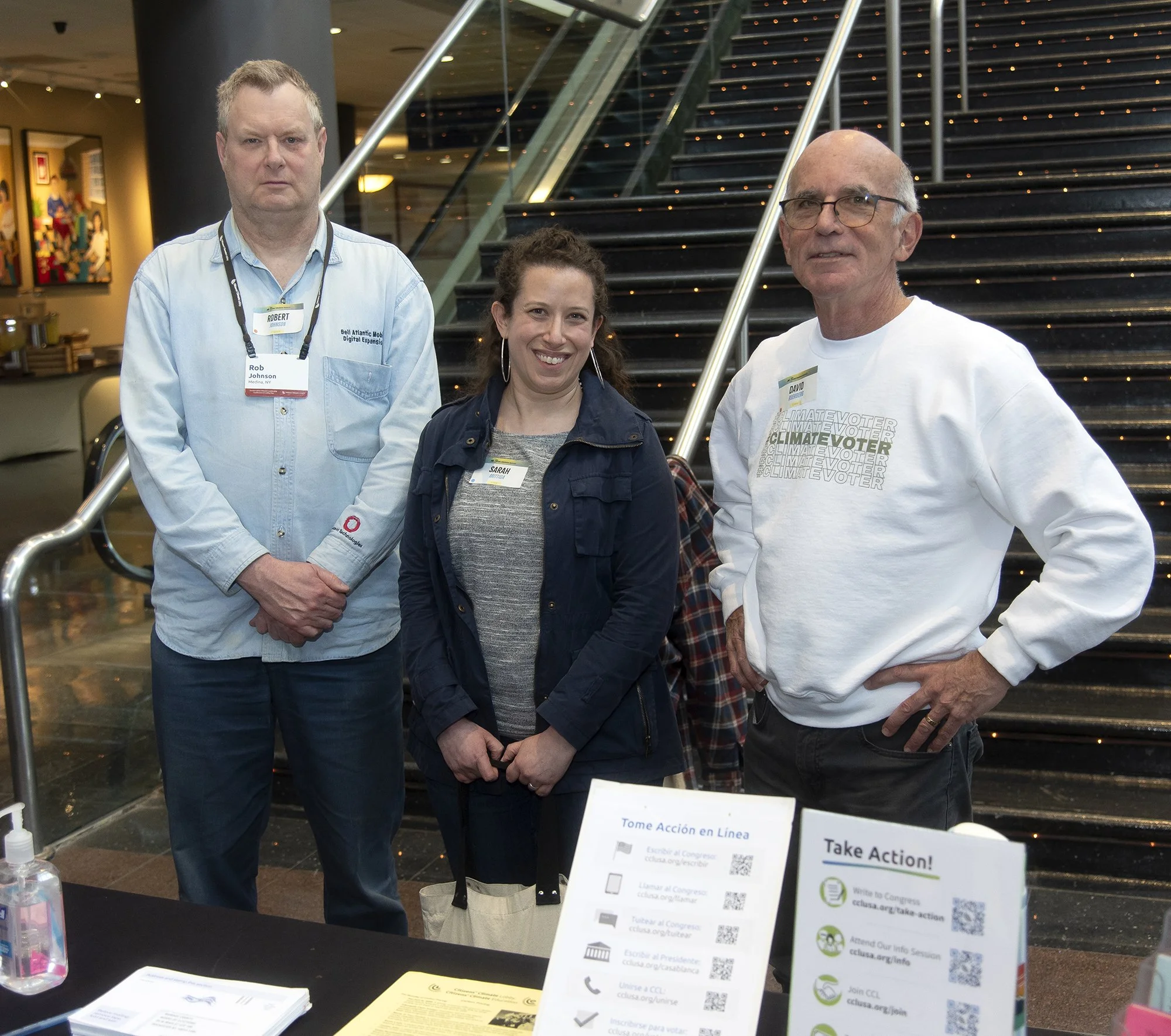
Citizens’ Climate Lobby volunteers at their table at the Climate Solutions Summit Power Up Fair
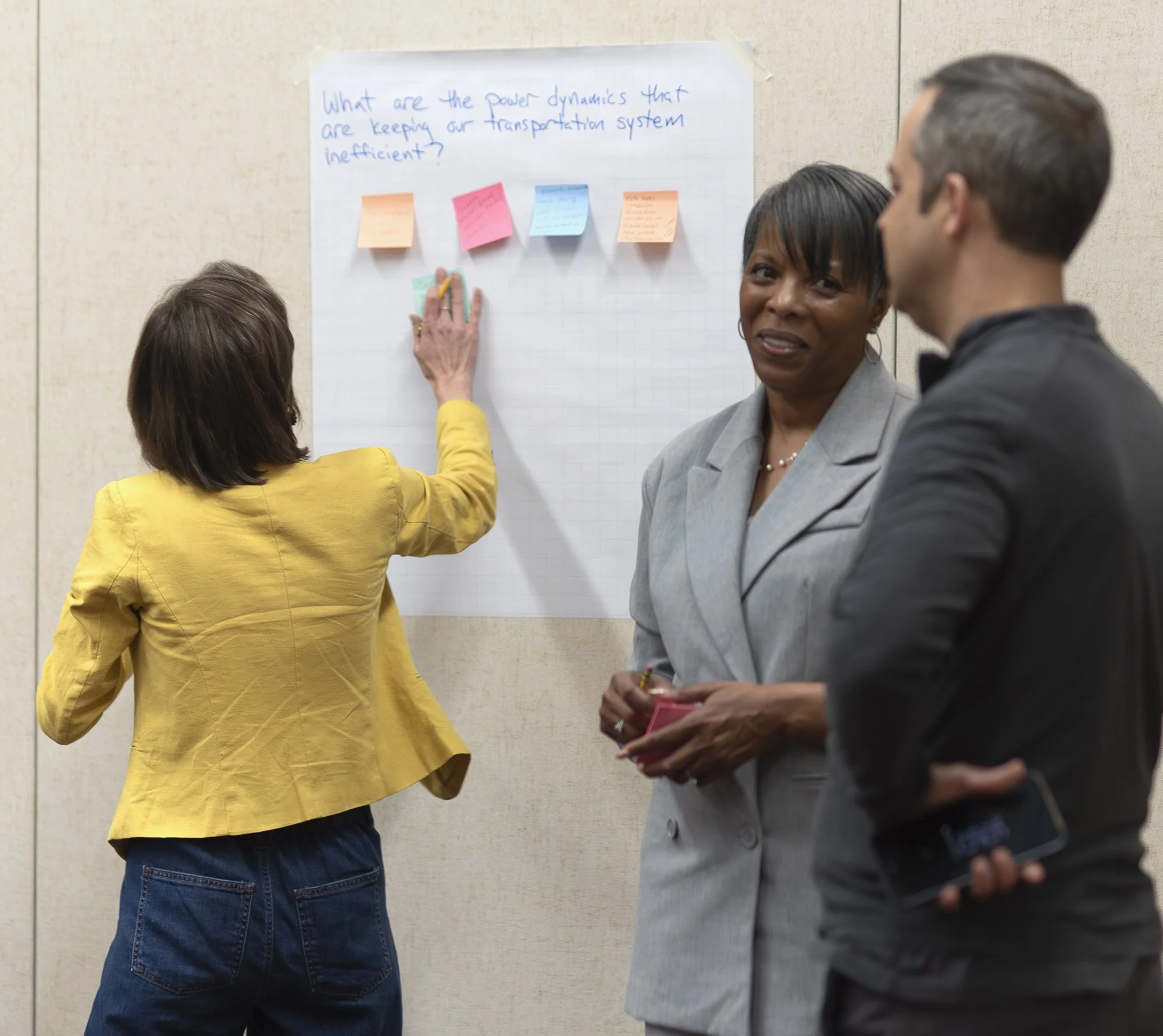
Corinda Reaves of Regional Transit Service and Cody Donahue of Reconnect Rochester facilitating a breakout discussion on transportation at the Climate Solutions Summit
The Accelerator also brought climate storytelling to the Rochester Fringe Festival through EcoVibes: Unfolding Our Future. A committee of artists and activists created two performances featuring music, dance, spoken word, visual art, immersive audio and audience participation. The performances attracted 150 attendees, while an accompanying organizational fair featured 16 local groups and connected attendees with opportunities to get involved.
Throughout the year, volunteers also supported community outreach, canvassing, research, graphic design, tabling and other Accelerator projects, averaging more than three hours of work per person each month.
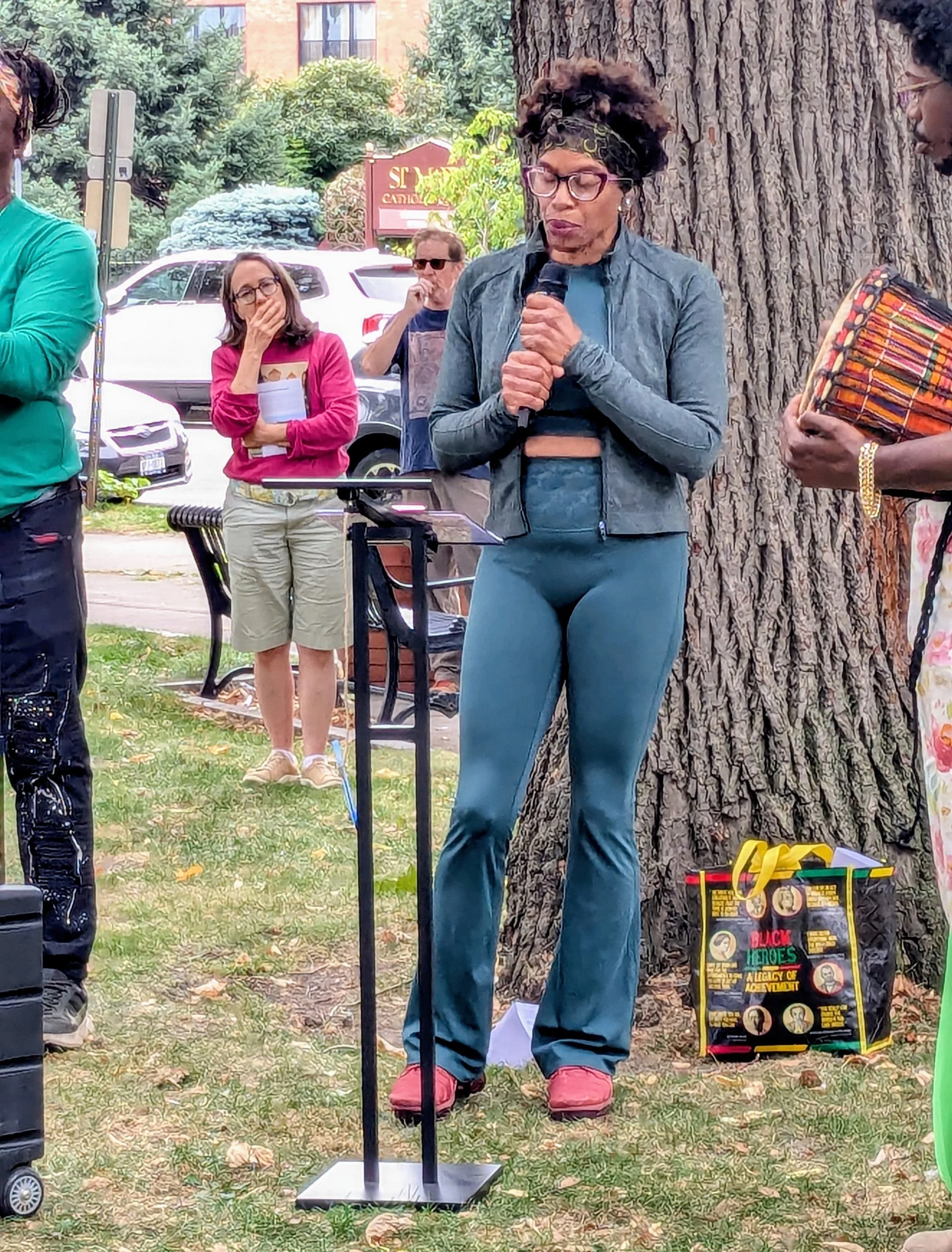
Lisa Johnson performing spoken word during EcoVibes show
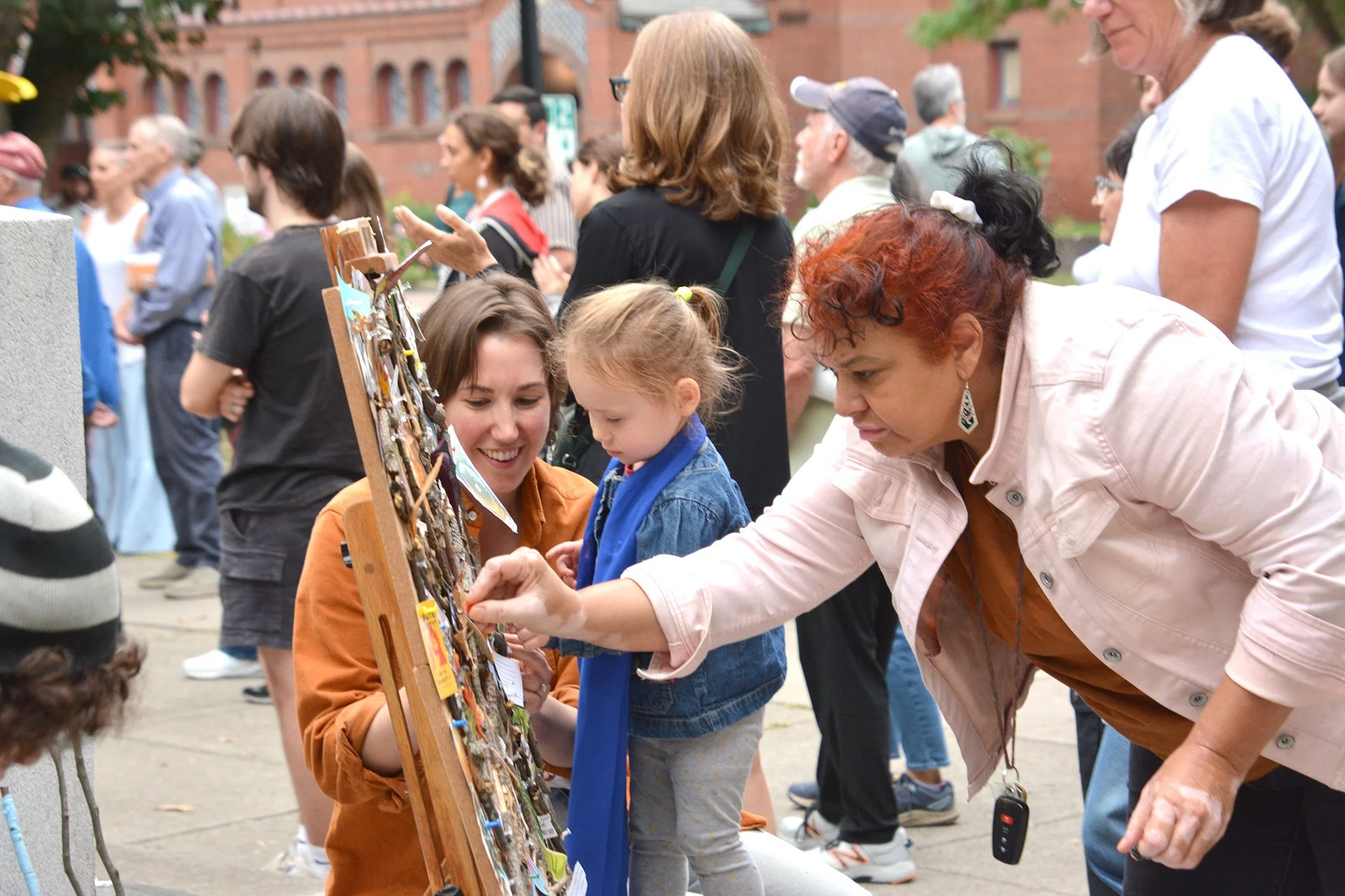
Audience members co-creating visual artwork during EcoVibes
Policy & Advocacy
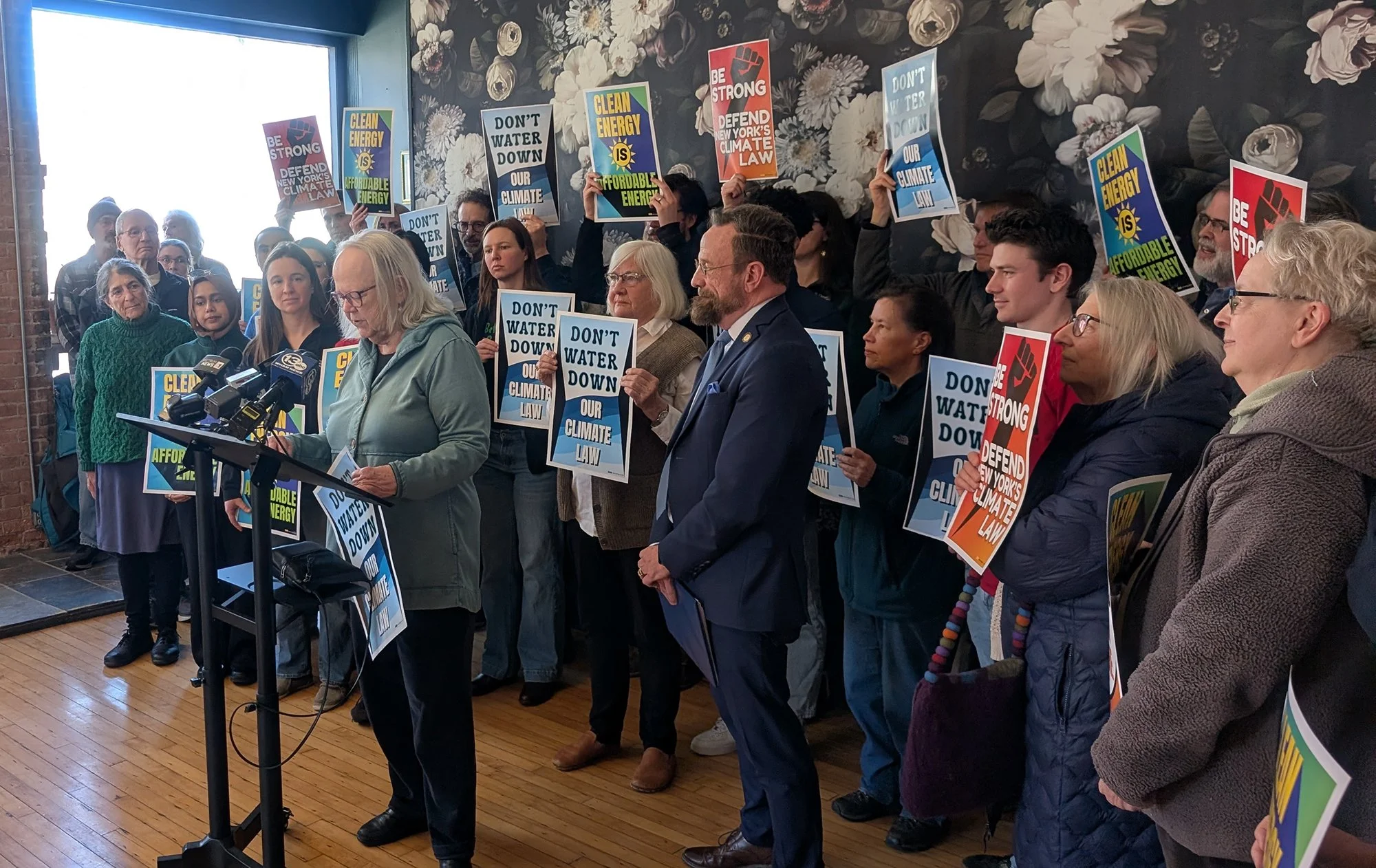
Press conference featuring New York State Assembly member Harry Bronson
53 advocacy opportunities
The Accelerator provided 53 opportunities for community members to participate in climate advocacy, including legislative meetings, a press conference, an Albany advocacy trip, one-click advocacy tools, and mass communications.
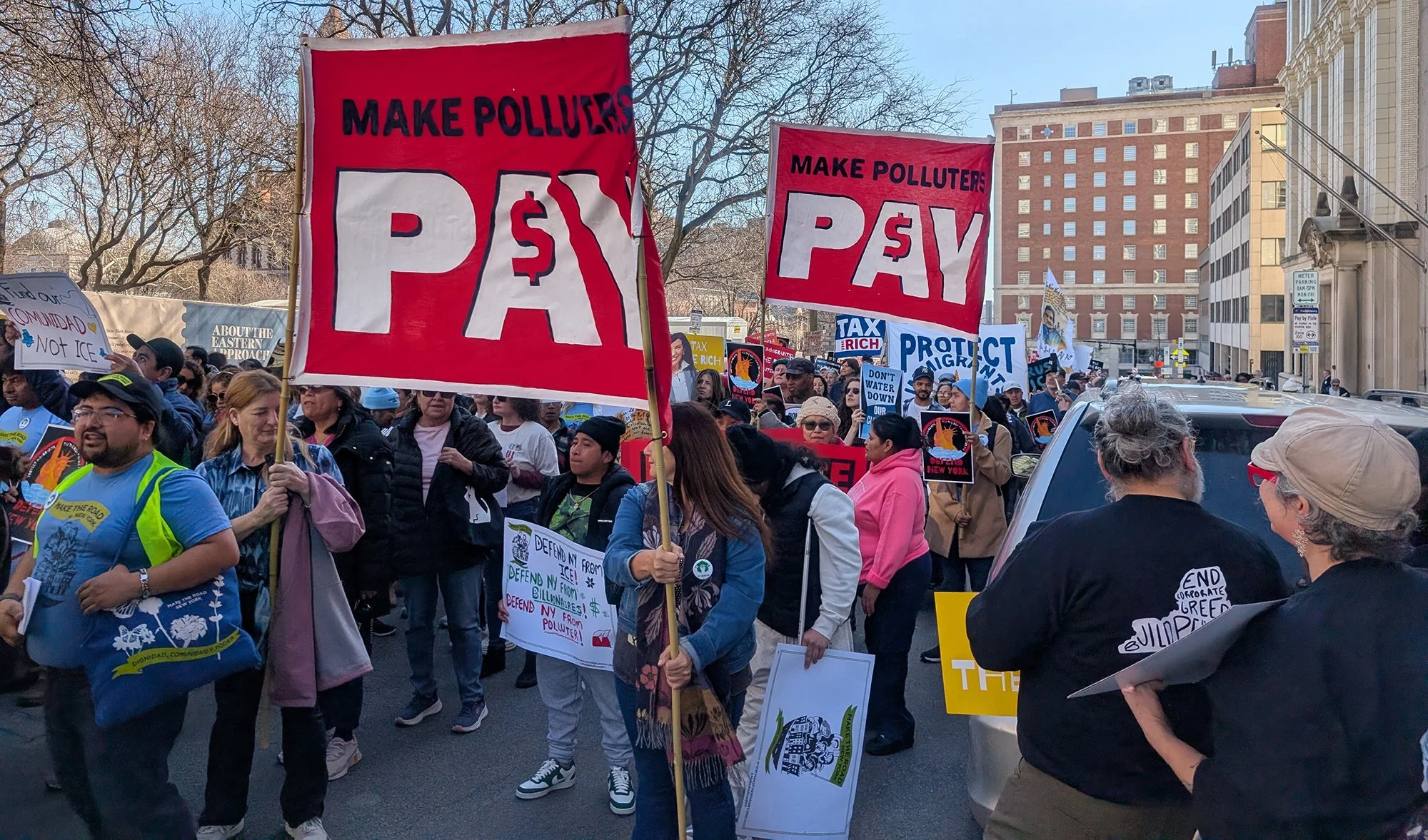
CLCPA Rally
872 volunteer advocacy hours
Volunteers contributed 872 hours in support of the Accelerator’s Advocacy Agenda. Major actions included a March trip to Albany attended by 26 volunteers and a local press conference that mobilized community members around New York’s climate law.
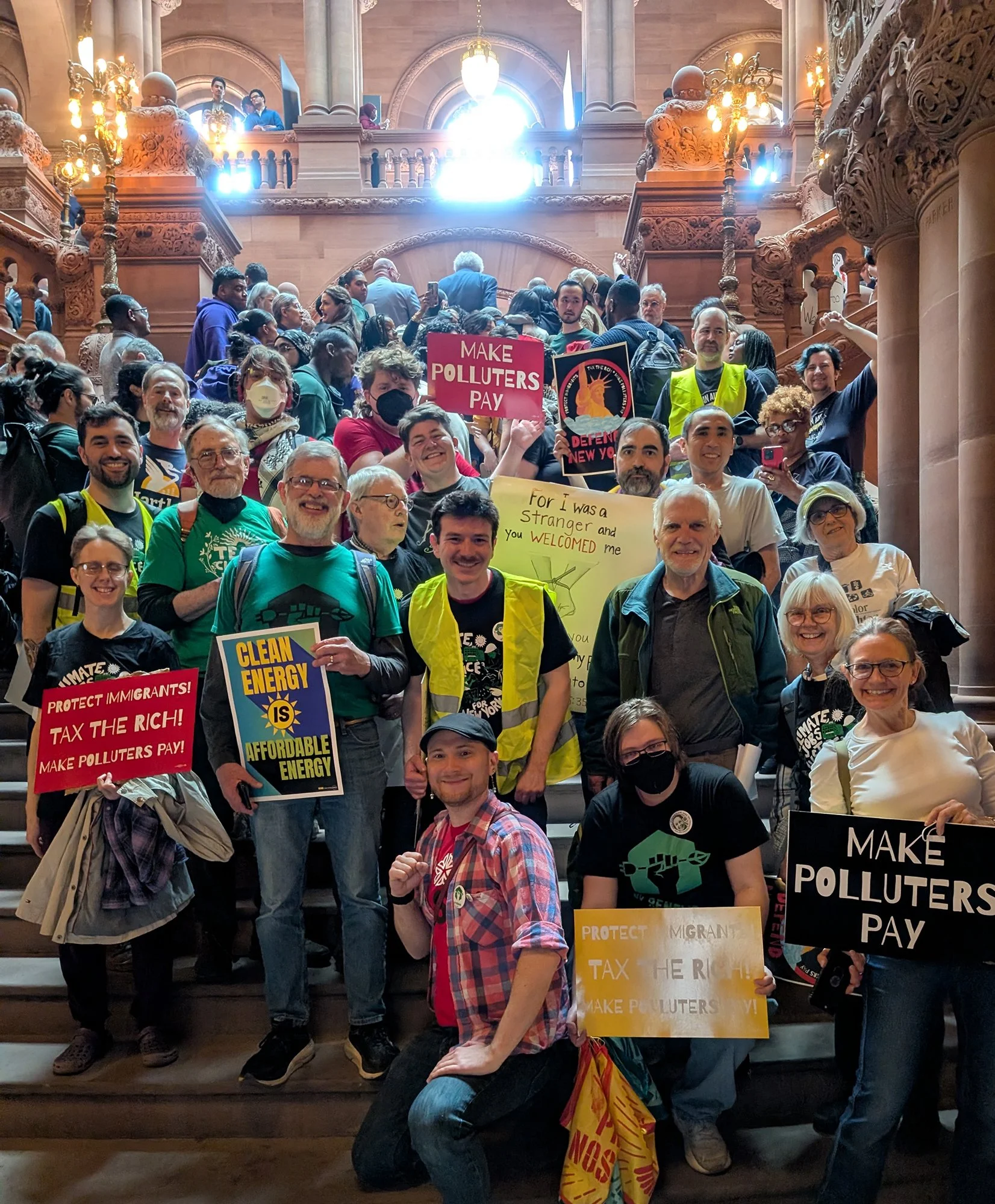
Local attendees at the CLCPA Rally
55 memos and letters of support for climate policy
The Accelerator submitted 55 comments and letters supporting stronger climate policy and regulation, surpassing its annual goal of 37. These efforts addressed renewable energy investment, New York’s climate law, utility costs, public transportation funding and other climate priorities.
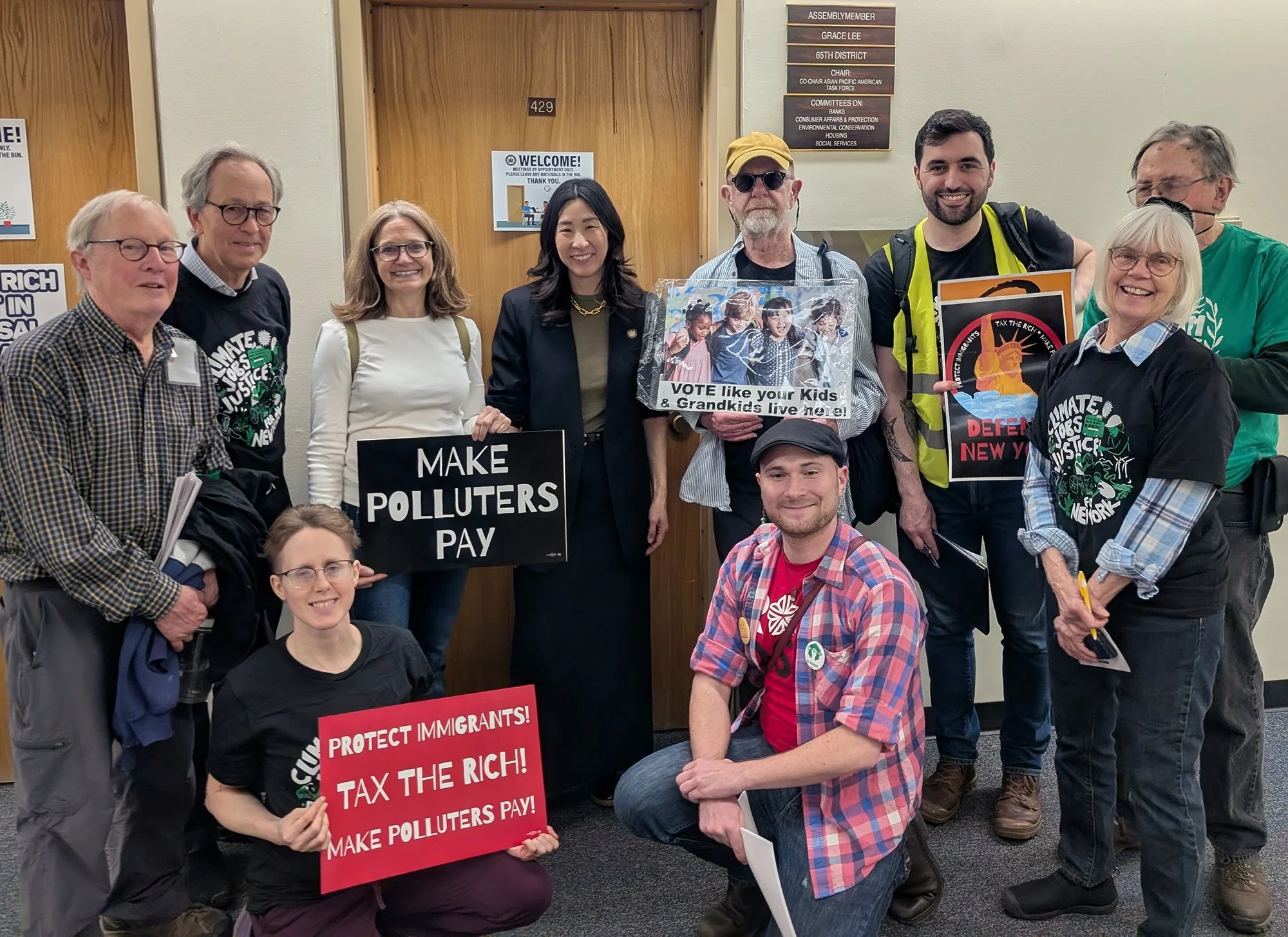
Local constituents meet with New York State Assembly member Grace Lee (center)
25 legislative meetings coordinated
The Accelerator coordinated 25 legislative meetings during FY25/26. Much of the year’s advocacy focused on defending the Climate Leadership & Community Protection Act and supporting data center regulation, including the Responsible Data Center Development Act.
The Highlights
In 2026, the Accelerator published its first-ever Advocacy Agenda, outlining priorities for advancing just and equitable climate solutions. Working with hundreds of statewide coalition partners and 20 regional climate advocacy groups, the Accelerator supported at least 24 actions by elected officials in support of its legislative priorities.
As efforts to roll back New York's Climate Leadership & Community Protection Act (CLCPA) dominated the legislative session, the Accelerator and its partners mobilized through public statements, meetings with elected officials, and calls to the Governor's office. Twenty-six volunteers traveled to Albany alongside nearly 1,000 climate advocates from across the state, while 50 advocates attended a local press conference featuring Assemblymember Harry Bronson. Despite these efforts, changes to the CLCPA opposed by the Accelerator were enacted through the state budget.
The session also brought important progress on solar energy. Portions of the ASAP Act were included in the final state budget, advancing reforms to support solar development. The Legislature also passed the SUNNY Act, which would allow New Yorkers to install plug-in balcony solar systems if signed into law.
The Senate and Assembly also passed the Responsible Data Center Development Act, which would regulate large data centers and establish a one-year moratorium on new permits. While the bill awaited the Governor's signature, she issued an executive order temporarily pausing certain state environmental permits for new hyperscale data centers, establishing the nation's first statewide moratorium of its kind.
This was a significant development for communities concerned about proposed data centers, including the Tonawanda Seneca Nation and residents of Genesee County, where the STAMP data center has been proposed. The Accelerator has supported the Nation and its allies for several years through training and direct advocacy with elected officials.
LOOKING AHEAD
In the coming fiscal year (26/27), we plan to continue our efforts to advance equitable and just climate policy at the state and local levels. Stopping the data center and reimagining the entire STAMP site will continue to be a top priority. In the state legislature, we will continue working to get the items on our Advocacy Agenda passed and signed into law by the Governor. We will also continue working with partners and volunteers to build the power of the climate movement.
ADDITIONAL IMPACT
25 advocacy partner organizations engaged with the Accelerator’s policy and advocacy work.
Six regional delegates unanimously supported the Responsible Data Center Development Act.
The Accelerator reached 25 of 32 legislative meetings, 53 of 84 advocacy opportunities, and 872 of 1,050 volunteer advocacy hours targeted for the year.
AMPED – Finger Lakes Clean Energy Hub

Hub staff and volunteers at a tabling opportunity
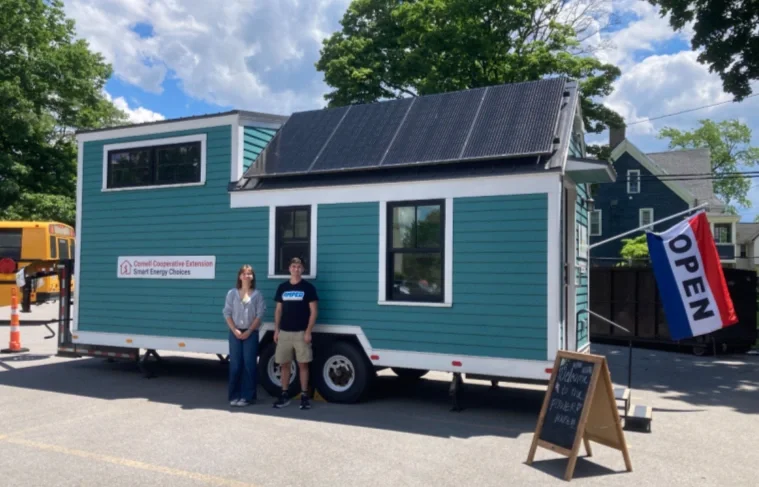
Tiny PowerHouse visits our region

Still image from an AMPED video
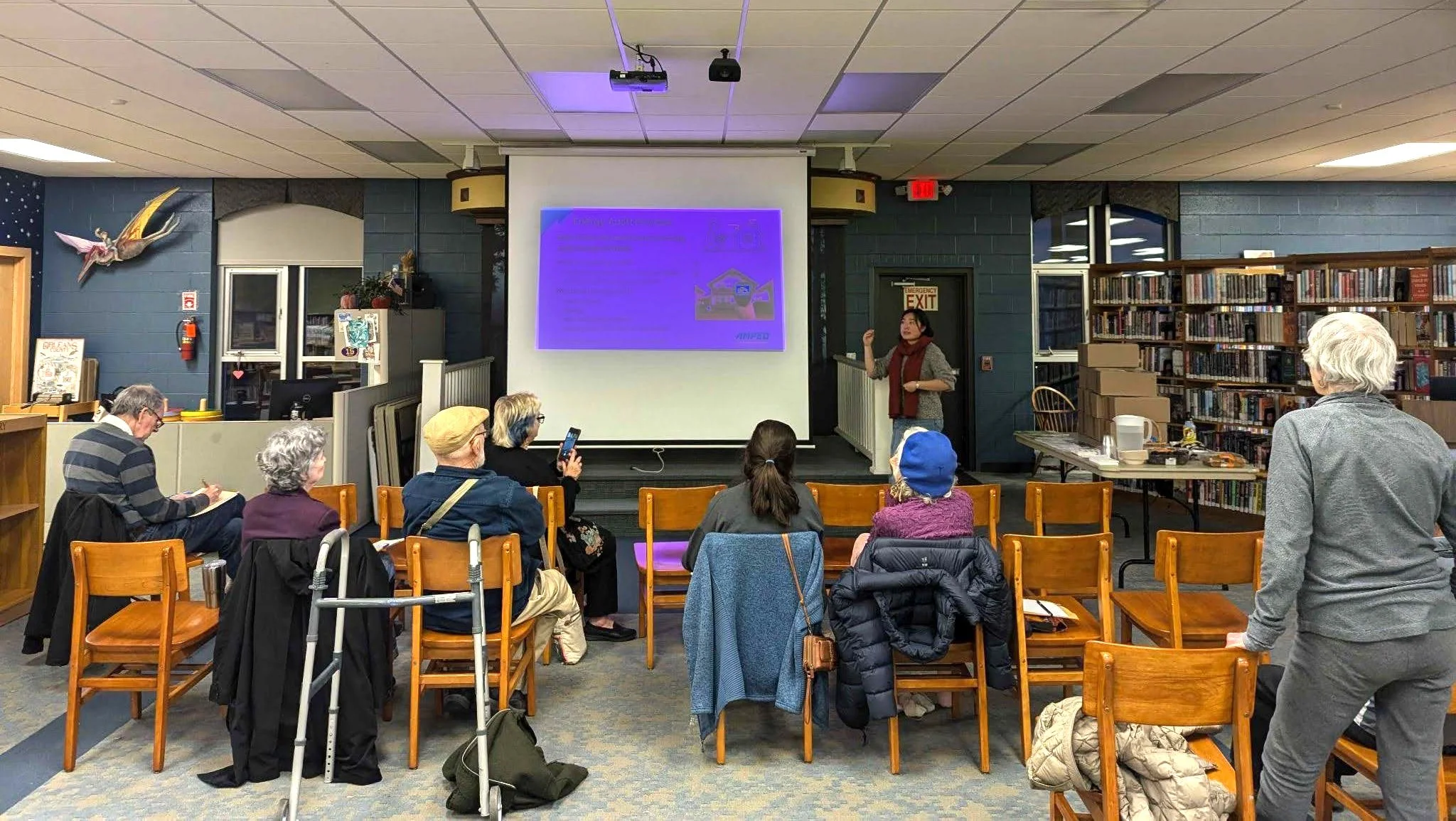
Energy Advisor,. Emily Hung educates members of Green Orleans on Hub services
4,086 residents engaged across the Finger Lakes
The Finger Lakes Clean Energy Hub hosted 156 events, a 12% increase from the previous year. 100 of those events were held in NYSERDA-designated disadvantaged communities. Across all events, the Hub connected with 4,086 residents throughout the Finger Lakes region.
459 Energy Advisor calls
Energy Advisors completed 459 calls (a 42% increase from the previous year) with residents and businesses helping them to navigate clean energy and energy efficiency opportunities.
223 clean energy and energy efficiency installations
Clean energy and energy efficiency installation measures increased ~55%, from 144 the previous year to 223. This increase was driven by growing Energy Advisors’ experience in their roles, households completing deferred projects before the federal Energy Efficient Home Improvement Credit ended, the expansion of the EmPower+ program to allow natural gas households to switch to heat pumps through the new Energy Affordability Guarantee, and the launch of the Hub’s “Three Prong” Community Campaigns in Genesee, Orleans, Ontario, and Seneca Counties.
The Highlights
The Finger Lakes Clean Energy Hub (AMPED) celebrated its fourth year of offering comprehensive, unbiased guidance to residents, businesses, and organizations to save money, energy, and the planet through energy efficiency and clean energy technology upgrades.
We are especially grateful for the partnerships we have with subcontractors at Connected Communities, Ibero-American Action League, BluePrint Geneva, Causewave Community Partners, PathStone, and Rochester Energy Efficiency and Weatherization. Our vetted contractor network also grew to nine, helping address the challenges of retrofitting the region’s aging housing stock.
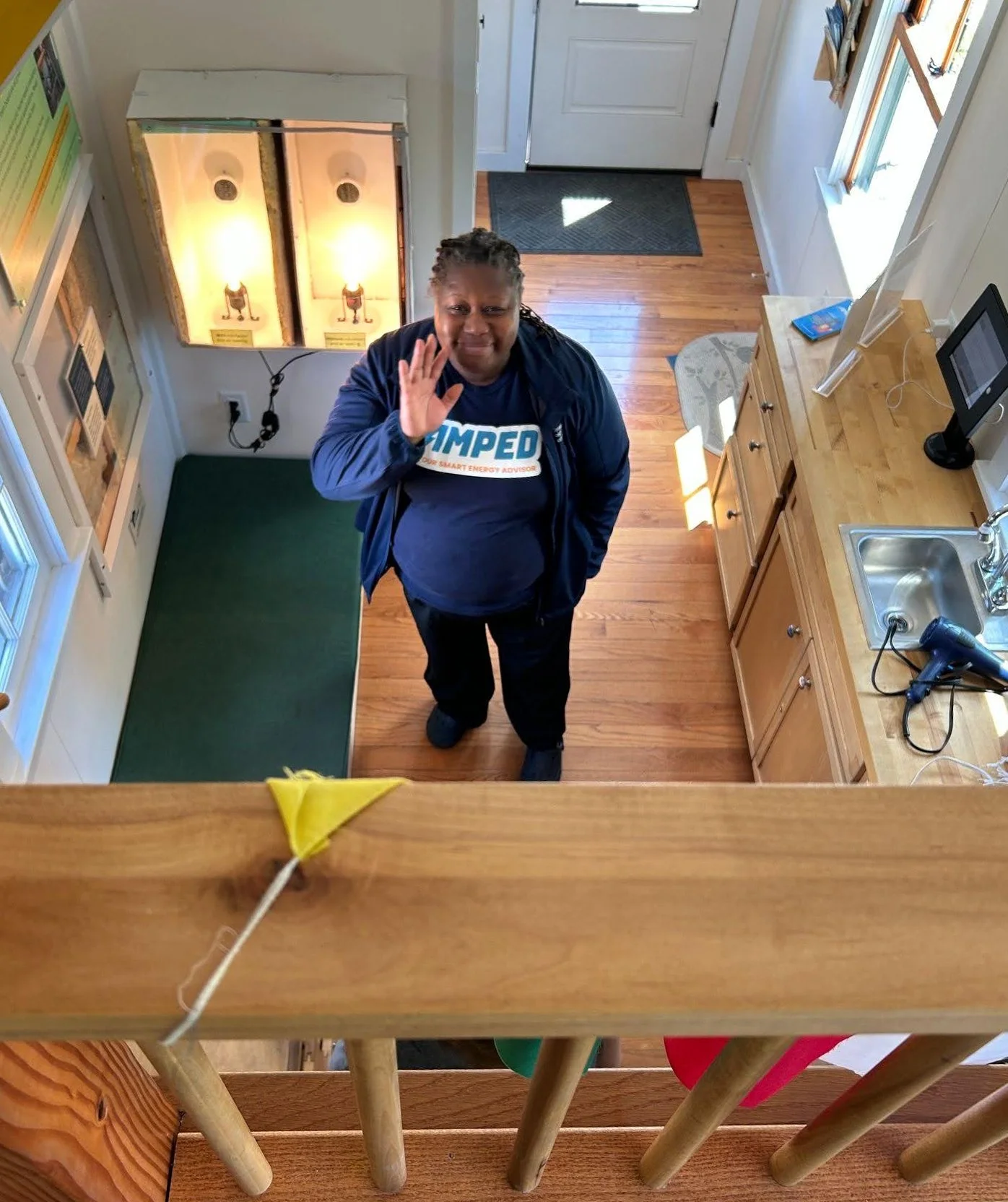
Public Engagement Coordinator, Andrea Mclean, inside the Tiny PowerHouse
This year we also developed new ways of reaching community members. We rented the Tiny PowerHouse from the Southern Tier Energy Hub, a mobile and hands-on tool for energy education. For two weeks in June, we brought the Tiny PowerHouse to four of our nine counties (Monroe, Ontario, Orleans, and Wayne), at locations including parks, libraries, and farmer’s markets. Residents of all ages were able to engage with the PowerHouse’s live solar array and learn about energy consumption and audits.
Additionally, the launch of the Energy Hub’s “Three Prong” Community Campaigns brought new funding opportunities and strengthened contractor and community partnerships in target areas. Residential Energy Advisor, Emily Hung, captained the Genesee & Orleans Campaign, participating and organizing over five outreach events in the target counties, meeting with local municipalities, and providing an impressive $26,685.33 in gap funding for low-to-moderate income projects. These funds went towards air source heat pumps, heat pump hot water heaters, insulation, and health and safety measures.
Multifamily and Mobile Home Energy Advisor, Lee Klein, captained the Mobile Home Campaign, which targeted mobile and manufactured housing in Ontario and Seneca counties. Lee worked with municipalities and Hub subcontractors to spread the word about the campaign, and provided $9,400 towards critical home repairs to enable energy efficiency work (this amount increased dramatically in the month after this report concluded)!
Commercial Energy Advisor, Brett Peters, launched the Nonprofit Community Campaign, which provided critical gap funding to the historically under-resourced nonprofit sector. Two projects have been completed so far, installing air source heat pumps at a historic performing arts center in Ontario County and a house of worship in Monroe County, with four other projects expected to wrap up by October.
Finally, Residential Energy Advisor, Azmery Afnan, is leading a joint campaign with the City of Rochester to promote low-to-moderate income households connecting to both NYSERDA programs and the City’s Office of Financial Empowerment. Over the next year, we anticipate 100 City of Rochester households to complete energy assessments through this campaign, with households in need of critical home repairs being able to connect to additional gap funding.
In response to federal changes around the Inflation Reduction Act, NYSERDA has committed to funding for electrification through the Sustainable Futures Fund, anticipating a healthy budget for the EmPower+ program until at least 2030. We expect further changes to come for market-rate customers as NYSERDA sunsets the Comfort Home Program at the end of 2027, turning over market-rate audits to the utilities.
Community Campaigns will not return under the next Hub contract, but the Accelerator’s development team is pursuing grant opportunities to sustain momentum and reach underserved communities.
In the coming year, the Hub will continue providing energy advising services to help residents save money, improve comfort and health, and reduce emissions. Once the Accelerator's new office is ready in 2027, the Hub plans to offer weekly office hours for in-person application assistance. We will also continue advocating for investments that support a just clean energy transition for all New Yorkers.